[ THE PATH ] FOR SINGLE, DATING & ENGAGED MEN
Marriage is not simply about finding the right person. It is about becoming the right person.
A strong marriage begins long before the chuppah. It begins with the person you are becoming — the values you live by, the way you carry responsibility, the way you understand another person, and the kind of home you are preparing to build.
Rabbi Nissan helps men become ready for marriage — emotionally, spiritually, practically, and relationally.
[ 01 ] THE REAL QUESTION
The real question is not only, “Who am I looking for?”
It is also, “Who am I becoming?”
Most people prepare for marriage by focusing almost entirely on the person they hope to find. But marriage is not only about choosing the right person — it is about becoming someone capable of building trust, friendship, emotional safety, intimacy, shared purpose, and a Jewish home.
Rabbi Nissan’s preparation pathway helps men grow in self-awareness, character, responsibility, communication, emotional intelligence, faith, and the practical skills a real relationship asks for.
[ 02 ] STAGE ONE - MARRIAGE MINDED
Become the man capable of building a strong marriage.
Marriage Minded is Rabbi Nissan’s flagship programme for single, dating, engaged, and newly married men who want to grow into the kind of husband capable of building an extraordinary marriage.
It goes far beyond how to find a wife. It asks a deeper question: what does a healthy husband actually bring into a marriage? Along the way, men learn what marriage is, what women often need emotionally, how trust and security are built, how to communicate beneath the surface, how to recognise their own blind spots, and how to direct masculine strength with responsibility — all grounded in practical Torah wisdom.
What you may explore
— Character and personal growth
— Responsibility and self-control
— Emotional awareness
— Communication that reaches beneath the surface
— Friendship
— Understanding her relational needs
— Trust and security
— Attraction and compatibility
— Values and purpose
— Faith and a shared spiritual direction
— The kind of husband you want to become
“The course doesn’t just prepare you to find a wife. It prepares you to be a husband.”
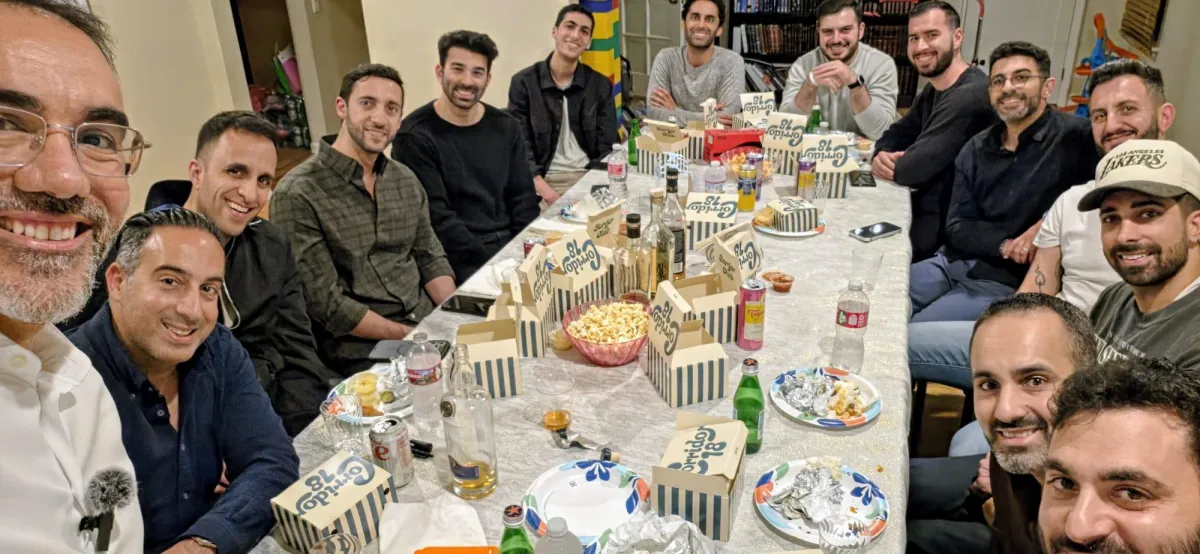
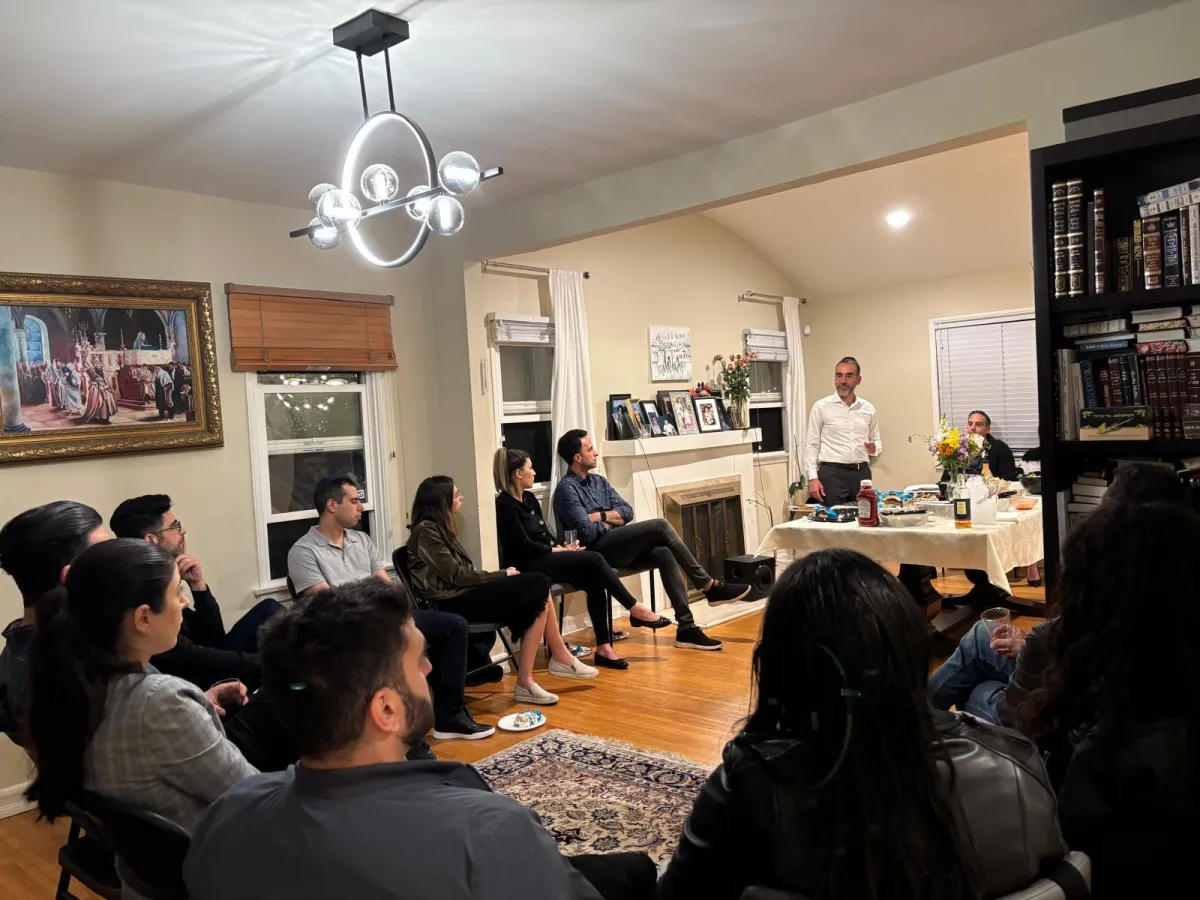
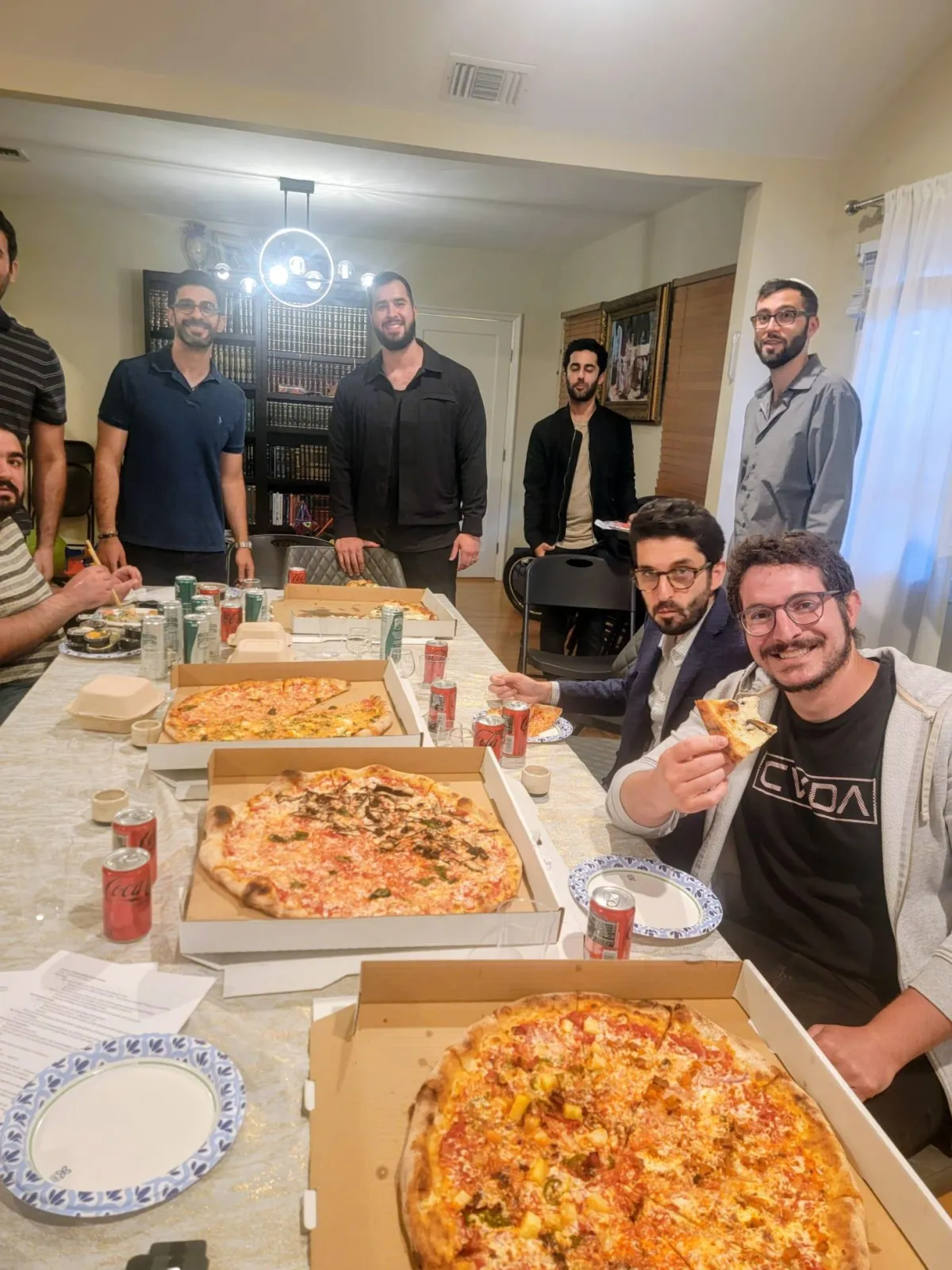
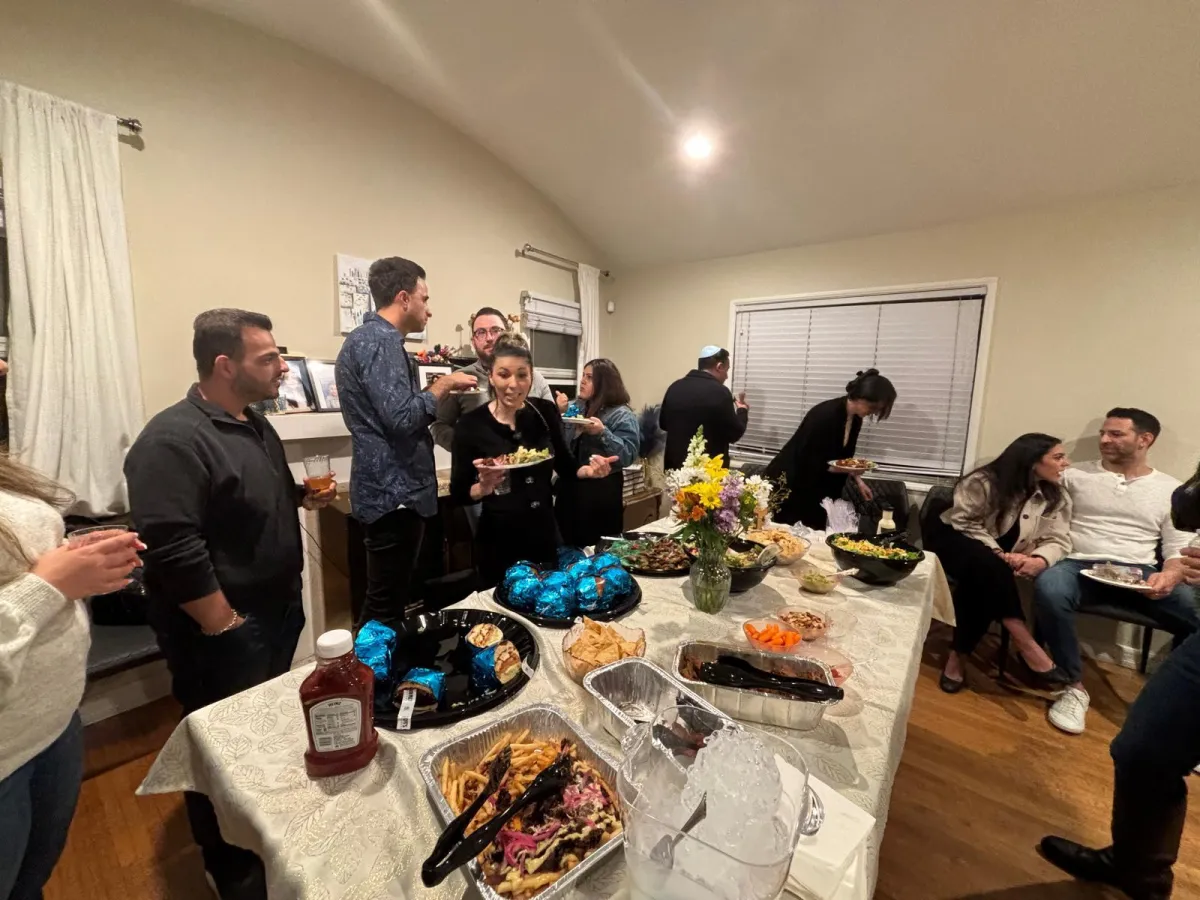
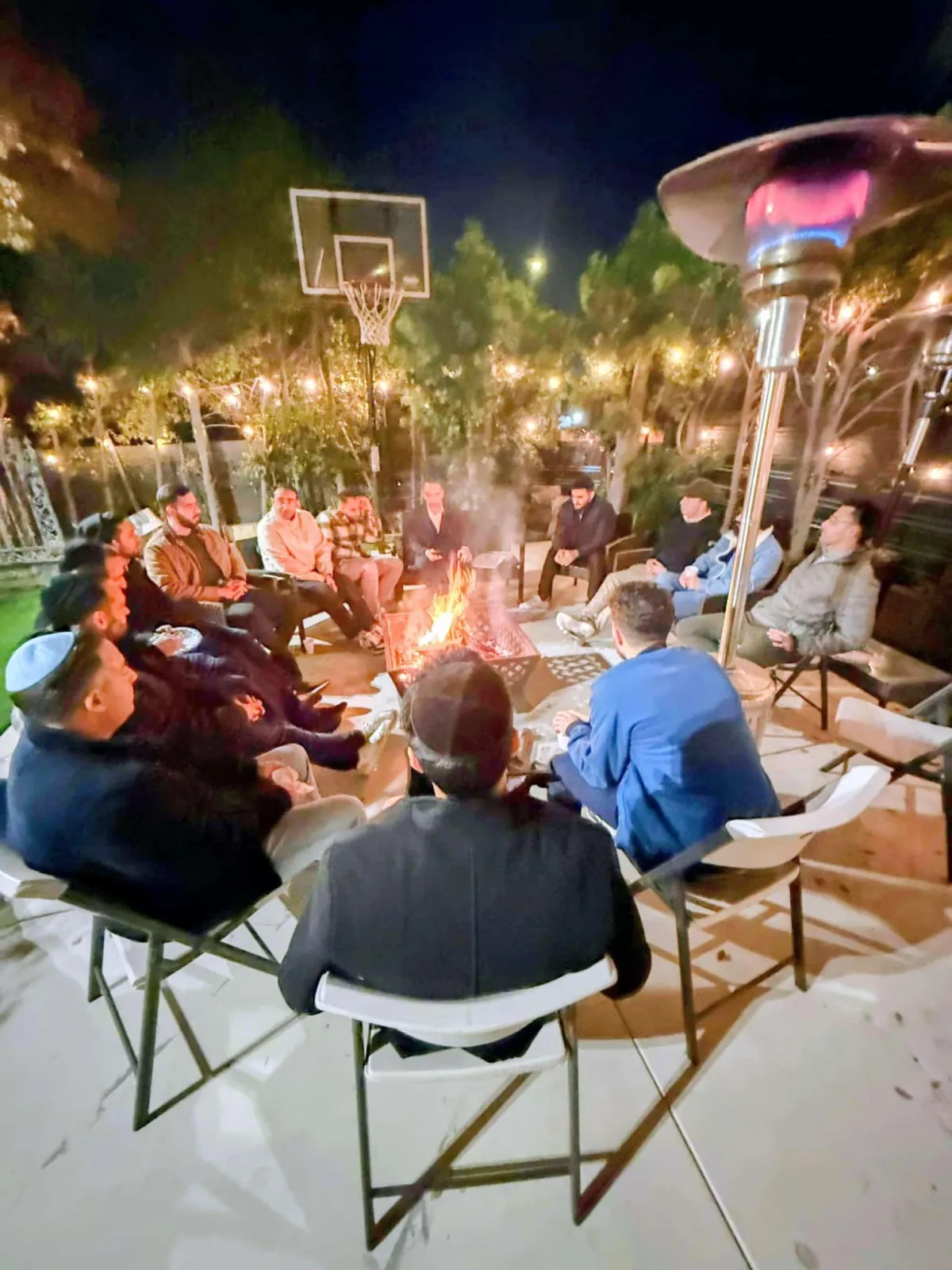
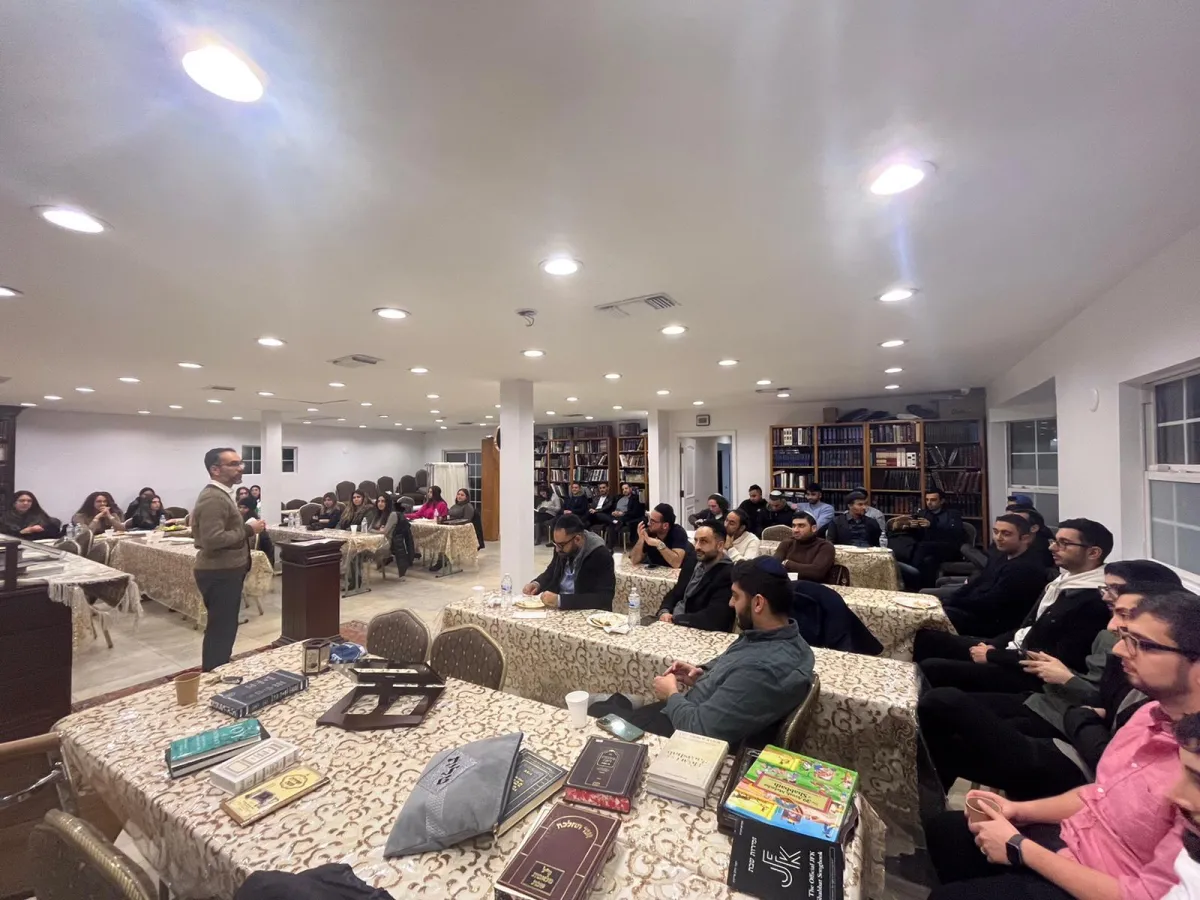
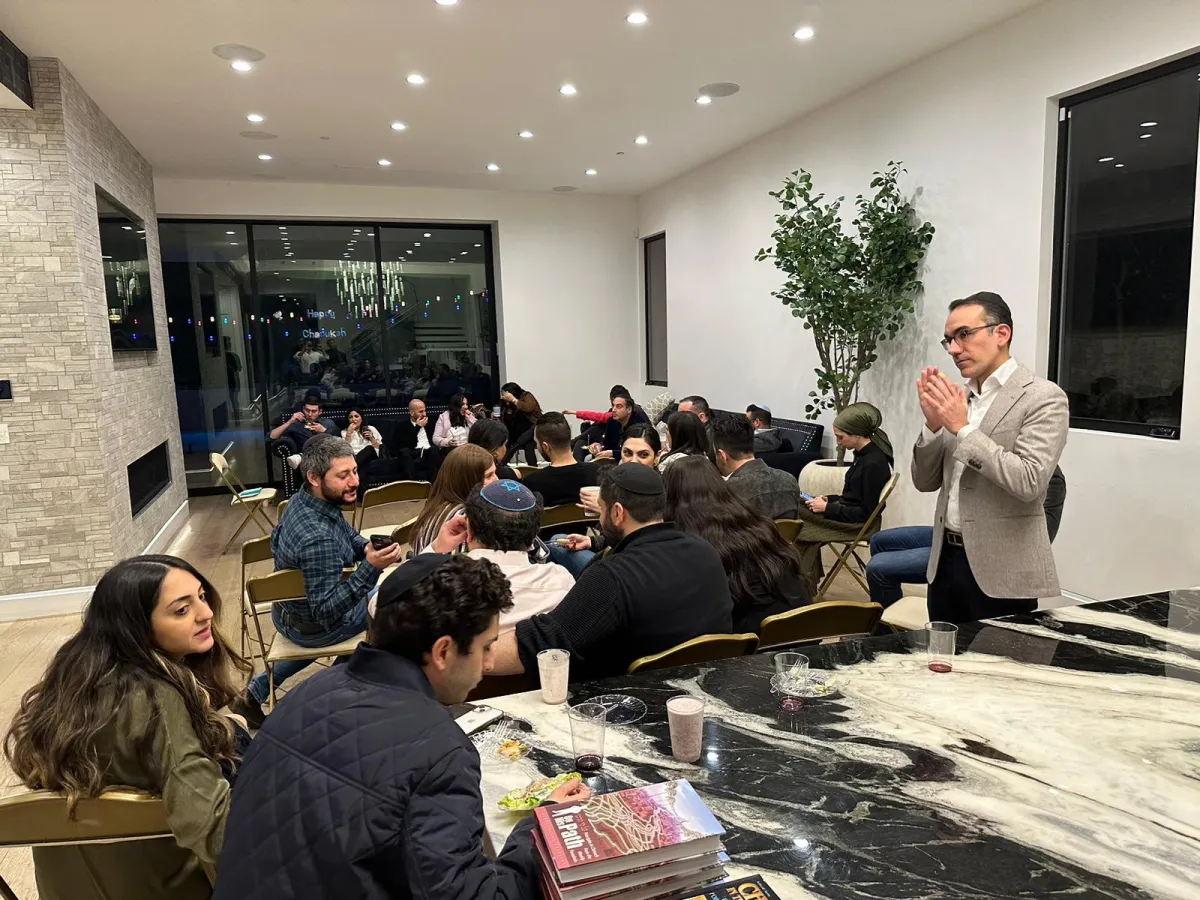
Every cohort is a room of men doing the same work — refining their character, asking honest questions, and building the foundations of a home before they build the chuppah.
[ 03 ] FATHER AND MOTHER ENERGY
Strength and connection belong together.
Rabbi Nissan speaks of “father energy” and “mother energy” — two families of capacities that healthy people need, whatever their role at home.
Father energy
Direction, stability, leadership, responsibility, confidence, discipline, decision-making, protection.
Mother energy
Connection, empathy, listening, emotional awareness, patience, attunement, understanding others, nurturing.
The goal is not for a man to become emotionally distant in the name of strength — nor to lose his direction in the name of sensitivity.
A healthy husband learns to combine steadiness with empathy, leadership with listening, and responsibility with emotional connection.
Strength without connection becomes domination. Connection without stability becomes insecurity. A healthy marriage needs both.
[ 04 ] CHOOSING WISELY
Look beyond attraction alone.
Attraction matters. But attraction cannot carry a marriage by itself. Rabbi Nissan helps men look at a relationship through three dimensions.
I.
Body
Attraction, chemistry, physical connection — the pull you can feel from the first meeting.
II.
Heart
Friendship, trust, communication, emotional connection — actually enjoying one another's company.
III.
Soul
Character, values, integrity, emunah, purpose, growth, vision, commitment — the shared direction of two lives.
A healthy marriage needs all three. But the strongest marriages are built from the soul upward.
Body creates attraction. Heart creates connection. Soul creates permanence.
[ 05 ] KNOWING YOURSELF BEFORE KNOWING ANOTHER
Real connection begins with self-awareness.
Before a man can truly know the woman he hopes to marry, he has to begin to understand himself — his strengths and his fears, how he reacts under pressure, and what he does when he feels criticised, rejected, uncertain, or ashamed.
The self-exploration materials in the pathway invite exactly that: looking honestly at your triumphs and your wounds, your emotional patterns, your mission, your legacy — and the person you actually want to become.
AN EXERCISE TO BEGIN WITH
Ask yourself:
What five qualities would I want my future wife to use when describing me?
Where am I already strong?
Where do I become reactive or avoidant?
What kind of stability do I bring?
What kind of emotional connection do I create?
What is one quality I need to strengthen now?
[ 06 ] STAGE TWO — CHATTAN PREPARATION
Prepare for marriage — not only for the wedding.
A chattan needs more than information about the ceremony. He needs to understand what marriage will ask of him — emotionally, practically, physically, and spiritually.
The goal is not simply to reach the wedding day. It is to walk into marriage with greater maturity, clarity, confidence, and responsibility.
01 Halacha — the letter and law of Jewish marriage
02 Hashkafah — the vision beneath the practice
03 Communication that reaches beneath the surface
04 Emotional awareness — his and hers
05 Conflict and repair
06 Expectations — spoken and unspoken
07 Friendship
08 Physical intimacy
09 Emotional intimacy
10 Building a Torah home
11 Shared values and purpose
[ 07 ] THE LIVING ROOM BEFORE THE BEDROOM
Intimacy begins before the bedroom.
“No living room, no bedroom.”
The living room is where a marriage actually lives — conversation, friendship, shared experiences, emotional openness; feeling heard, feeling valued, feeling desired, and enjoying one another’s company.
Physical intimacy is never separate from the emotional climate of the marriage.
A wife may know her husband finds her attractive — and still quietly wonder whether he enjoys her.
Do you enjoy me? Do you care about my thoughts? Do you want to spend time with me? Do I feel chosen? Do I feel emotionally safe with you?
The Marriage Minded work treats emotional connection as the foundation of meaningful physical intimacy — not an optional extra after it.
[ 08 ] STAGE THREE — THE WEDDING JOURNEY
A chuppah with a relationship behind it.
Rabbi Nissan officiates weddings for couples who want more than a ceremony — couples who want to understand what Jewish marriage means, who prepare seriously, and who want a rabbi that actually knows them: their story, their values, and the home they hope to build.
01
The first conversation
A chance to learn about the couple — their background, their relationship, and what matters most to them.
02
Learning and preparation
Chattan preparation and couple conversations build a deeper foundation under the marriage, not only under the wedding.
03
Ceremony planning
Guidance around the chuppah, the ketubah, traditions, family participation — and the meaning behind each stage.
04
The wedding
A ceremony rooted in Jewish tradition that also feels personal, thoughtful, and connected to the couple's real story.
05
Continued relationship
The wedding is not the end. Couples stay connected through learning, guidance, community, and support.

[ 09 ] IS THIS THE RIGHT FIT?
Honest words, before you begin.
This may be for you if…
You want more than a one-time officiant.
You value learning and preparation.
You want to understand Jewish marriage — not just perform one.
You are open to honest conversations about relationships.
You want your wedding to grow out of a genuine connection with the rabbi.
You care about the home that comes after the ceremony.
It may not be, if…
You are looking only for someone to conduct the ceremony.
You would rather skip the preparation, learning, and personal conversation.
The wedding matters to you, but the marriage preparation does not.
[ BEGIN ]
Prepare to become the husband your future home will need.
A first conversation is a phone call, not a commitment.
Tell us a little about where you are, and we'll take it from there.
© 2026 Rabbi Nissan Omid Ahoobim
Notes
CONTACT