The story of Omid (Nissan) Ahoobim
Hope, Miracles, and A Life That Was Never A Straight Line
My parents named me Omid, the Persian word for hope.
They chose the name as soon as they found out they were having a boy. They had always hoped for a child, and then Hashem gave them one—no pressure!
Growing up in Orange County, I didn’t appreciate the name. My cousin and I were the only Jewish Iranians in our public school, surrounded by Mikes, Chrises, and Johns. Nobody could pronounce Omid, its meaning didn’t resonate with me, and I wished I could simply blend in.
But as I grew older, the name began to mean something very different.
Life brought its share of ups and downs, as it does for everyone. My relationship with my parents also matured through periods of closeness and distance, difficulty and appreciation. With time, I came to understand what they had given me—not only my name, but the foundation of faith and Jewish identity that would eventually shape my life.
Through every uncertain period, Omid—hope—became the banner that carried me forward. Because what do we have if we don’t have hope?
Searching for My Path
For a long time, I felt as though everyone else knew where life was taking them. They were becoming doctors, lawyers, or going into real estate. Their paths appeared clear and linear: college, career, success, marriage, family.
Mine looked more like a stock-market chart—up, down, crash, shoot up, plummet, and eventually stabilize.
I tried different jobs and career paths. I worked hard, but nothing felt like me. I wasn’t only looking for a profession; I was searching for meaning and for a life that fit who I truly was.
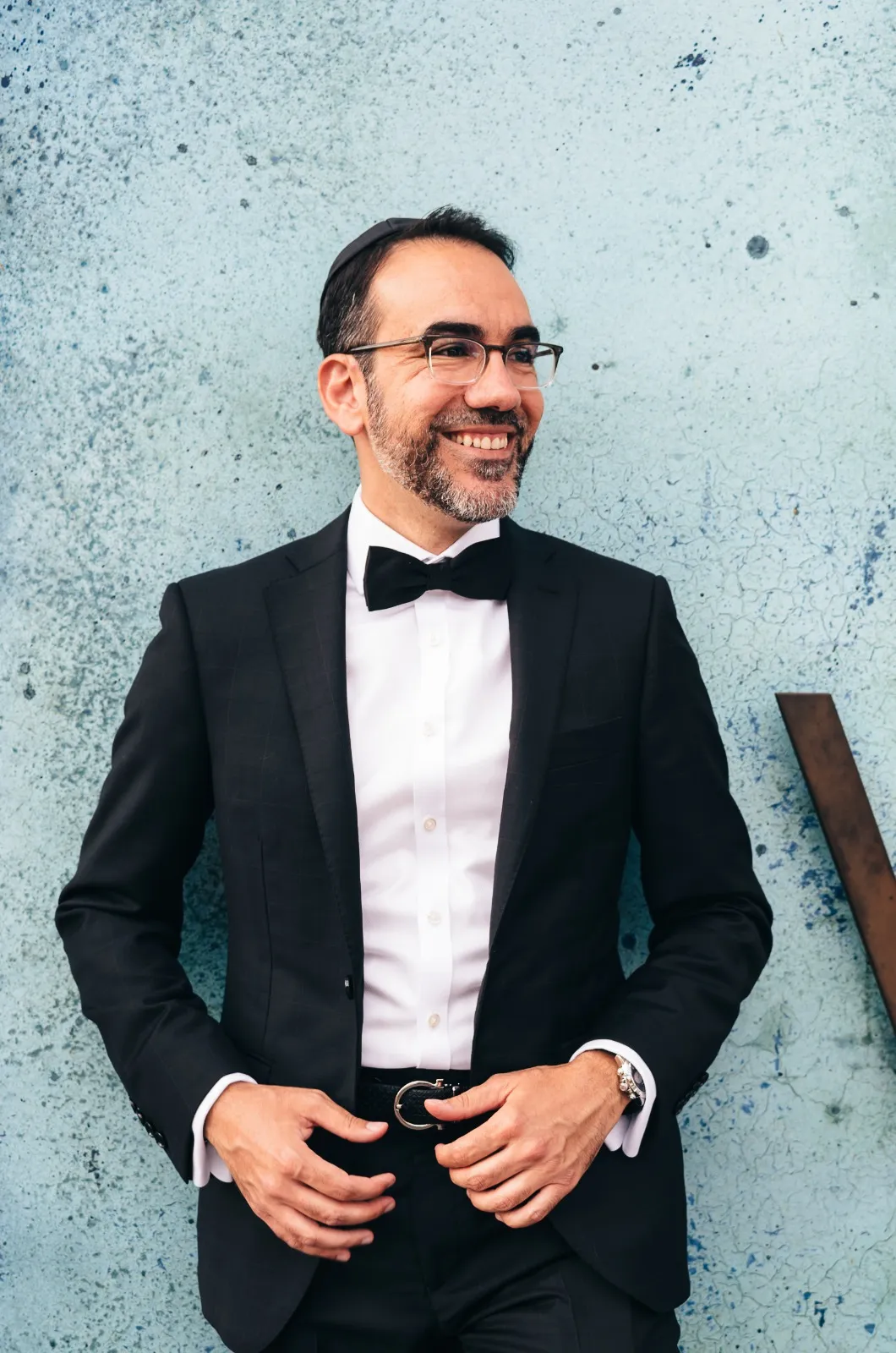
During college, I traveled to Israel for several weeks and was exposed to Torah learning. I had never received a formal Jewish education. What I knew came primarily from my parents and from Chabad in Huntington Beach. I remember my mother lighting Shabbat candles and going to synagogue with my father.
Those experiences planted the seeds, even if I didn’t realize it at the time.
In Israel, something came alive inside me. I loved learning Torah, and I wanted more.
Torah gave me the meaning and direction I had been searching for. It also gave me practical tools for every part of life—relationships, marriage, work, personal development, and navigating challenges. Torah does not make life’s difficulties disappear, but it teaches us how to face them, grow through them, and live with greater purpose.
I began to understand what I wanted to do with my life: help people through Jewish education. That might mean teaching in a Jewish high school, guiding a couple, learning with someone one-on-one, or helping a person develop spiritually and personally. Religious or not, I believe that the wisdom of Torah can help people live happier and more meaningful lives.
Becoming Nissan
My Hebrew name, given to me at my brit milah, is Nissan. Other than being called to the Torah at my bar mitzvah, nobody used it while I was growing up.
That changed when I entered yeshiva at 26.
Being called Nissan initially felt strange, but it also felt special. The name brought out another part of me—my spiritual identity.
Nissan is connected to nes, a miracle. A nes can also mean a banner lifted high. It is related to the idea of a nisayon, a challenge through which Hashem can elevate us. When we open our eyes and pay attention, we begin to recognize the miracles taking place around us every day.
Going to yeshiva was one of the hardest decisions of my life. I was an only child, and no one else in my family had taken a path like mine. I felt alone, different, and unsupported. I worried about losing the family relationships that meant so much to me.
Being different is not fun. But I knew this was what I wanted. More importantly, I knew this was who I needed to become.
I put my trust in Hashem and moved forward.
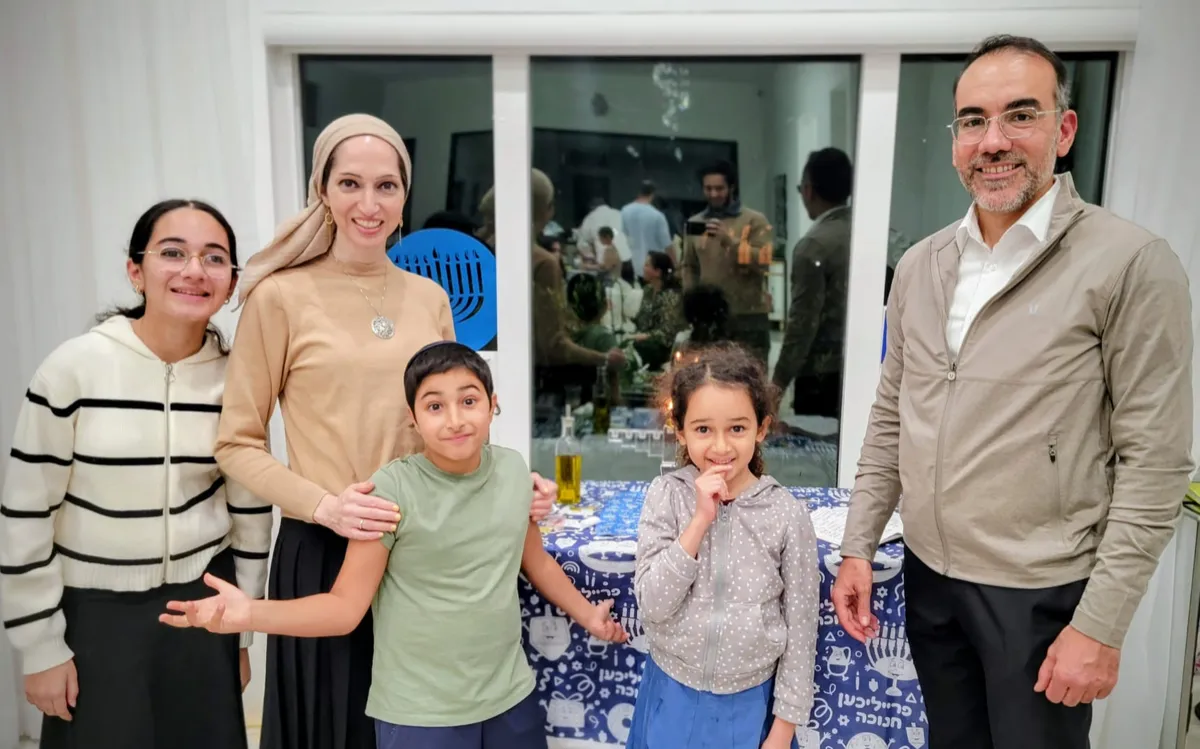
Over time, my parents watched the different pieces come together. They saw me get married, build a family, find meaningful work, and create a life that makes me happy. Today, they adore my wife and children—perhaps even more than they love me, but I’m okay with that.
To my family and childhood friends, I remain Omid. To my wife, rabbis, colleagues, and many of the people I teach, I became Nissan. Some call me Rabbi Ahoobim—perhaps because that is simply easier.
Omid and Nissan may sound like two identities, but they are really one: hope and miracles, the person I was and the person I became.
A Meaningful Marriage Begins Before the Wedding
I have always loved weddings: the music, dancing, elegance, and extraordinary happiness of the day. But in Israel, I experienced weddings differently.
They were often simple, without extravagant flowers or decorations, yet they carried tremendous meaning. Under the chuppah, the bride and groom prayed, and everyone prayed with them. The dancing was not about showing off; it was about bringing joy to the couple. For that night, they were a king and queen.
I wanted to help people experience weddings that were not only beautiful, but meaningful.
I eventually understood that a meaningful wedding begins long before the chuppah.
I was blessed with rabbis and mentors who guided me before I began dating, while I was dating, and as I prepared for marriage. They taught me what marriage is about, what to look for, and how to determine whether a relationship was right. I experienced firsthand the difference that thoughtful guidance can make.
In the world I had known, couples devoted enormous energy to planning their wedding and then largely hoped for the best in their marriage. I saw an opportunity to make the period leading up to marriage a time for learning, spiritual growth, and building a strong foundation together.
One thing led to another: now Baruch Hashem teaching chattanim, working with couples, officiating weddings, leading groups and Torah classes, hosting couples’ events, and partnering with my wife, who teaches kallah classes.
More than a decade of marriage has also been the greatest classroom of my life. Marriage has required me to work on myself, choose love continually, see the good, focus on the positive, and confront my own inner work. It has also given me life’s greatest pleasures: a best friend, trusted confidante, adviser, partner, and the family we have built together.
Guiding Real People Through Real Life
My life exists between different worlds—Persian and American, secular and religious, Omid and Nissan. I am an Orthodox Jew, but my friends, relatives, students, and clients come from every level of religious observance, including none at all.
I connect with the person, not the image or title. People discover that I am real, grounded, and that I genuinely care. They don’t feel judged.
I understand that life rarely follows the straight line we envisioned. For me, the challenges involved identity, career, belonging, and finding myself. For someone else, they may involve dating, marriage, children, finances, family, religion, or something they are afraid to acknowledge.
Everyone wants to appear as though they have it all together. The truth is that nobody has everything figured out.
My greatest privilege is being there for people who are brave enough to be honest about that.
I have helped engaged couples who were close to ending their relationship work through their fears and conflicts, move forward, and eventually build happy marriages and families. Seeing their homes and children years later is one of the greatest feelings in the world.
It reminds me that our hardest moments are not always the end of the story.
Never give up hope. Speak to Hashem. Pay attention, and you will see miracles. Our challenges are temporary whereas our soul is forever.
Plant your own tree. The greatest gift God has given you is your life. The greatest way to express gratitude for that gift is to live your life, not someone else’s.
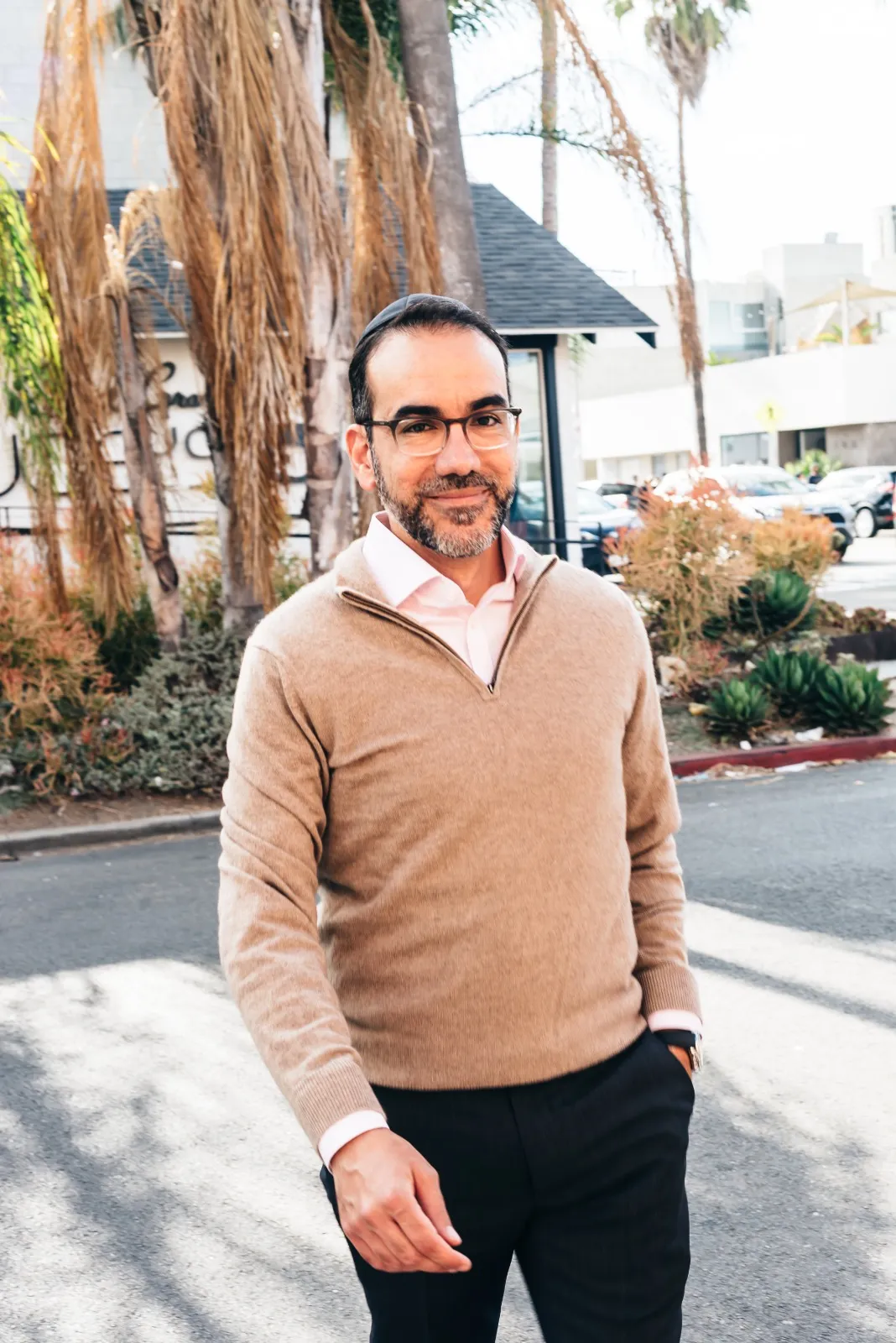
© 2026 Rabbi Nissan Omid Ahoobim
Notes
CONTACT